1. Definitions
A spirit level (or precision level) is a common measuring tool used for small angles. In the machinery and instrument manufacturing industries, it is used to measure tilt angles relative to the horizontal, the flatness and straightness of machine tool guideways, and the horizontal or vertical alignment of installed equipment.
A leveling instrument (or surveyor’s level) is an instrument used to establish a horizontal line of sight to determine the elevation difference between two points on the ground. It operates based on the principles of leveling.
2. Differences in Principles
The vial of a spirit level is made of glass, with an inner surface curved to a specific radius. It contains a liquid; when the level tilts, the bubble moves toward the raised end, thereby indicating the position of the horizontal plane.
The resolution depends on the radius of curvature of the vial’s inner surface: a larger radius yields higher resolution, while a smaller radius yields lower resolution; thus, the radius of curvature determines the instrument’s accuracy. Spirit levels are primarily used to check the flatness, straightness, and perpendicularity of machine tools and workpieces, as well as the horizontal alignment of equipment.
When operating a surveyor’s level, the instrument is first roughly leveled using a circular bubble. Before each reading, a tilting screw is used to adjust the coincidence level vial in the vertical plane until its bubble is precisely centered, ensuring a horizontal line of sight.
Compared to standard levels, precision tilting levels feature vials with finer graduation values and higher sensitivity, as well as telescopes with higher magnification and brightness. They possess a robust structure—specifically a rigid connection between the telescope and the vial—and are equipped with an optical micrometer and precision leveling rods to enhance reading accuracy.
3. Classification
Spirit levels are classified into: universal levels, cylindrical levels, integrated levels, mini levels, camera levels, frame levels, and ruler-style levels.
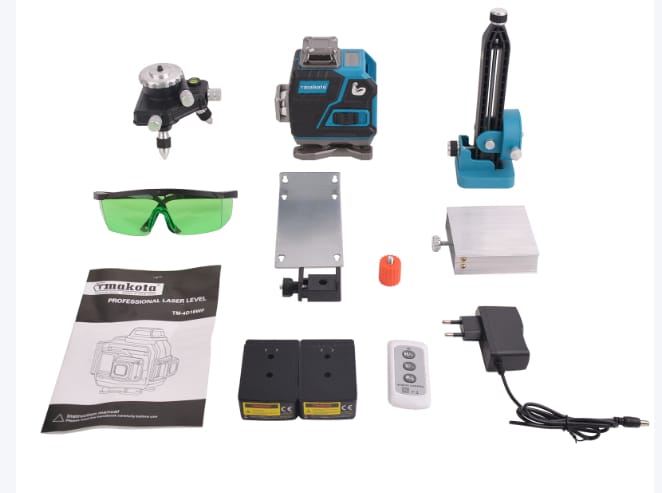
Surveyor’s levels are classified by structure into: tilting levels, automatic levels, laser levels, and digital levels (also known as electronic levels). They are classified by accuracy into: precision levels and standard levels.